Solar & Generation · Scotland
Solar Panels in Scotland
Quick answer
Solar panels generate electricity from daylight, not direct sunshine, so they work effectively across Scotland even on overcast days. A south-facing roof can yield around 700 to 810 kWh per kWp each year under industry methodology. Paired with a battery or a heat pump, solar can meaningfully reduce the electricity you buy from the grid.
What are the key facts?
Last updated: 11 November 2026- How it works: Photovoltaic panels generate electricity from daylight
- Installer: Installed through certified partners only
- Scottish climate: Solar works across Scotland, yield depends on roof orientation and pitch
- Survey includes: industry methodology yield figures for your specific roof
- Export: Surplus electricity exported to grid via SEG
- Finance: Interest-free credit up to £30,000, subject to status
Solar in Scotland
Why solar works in Scotland
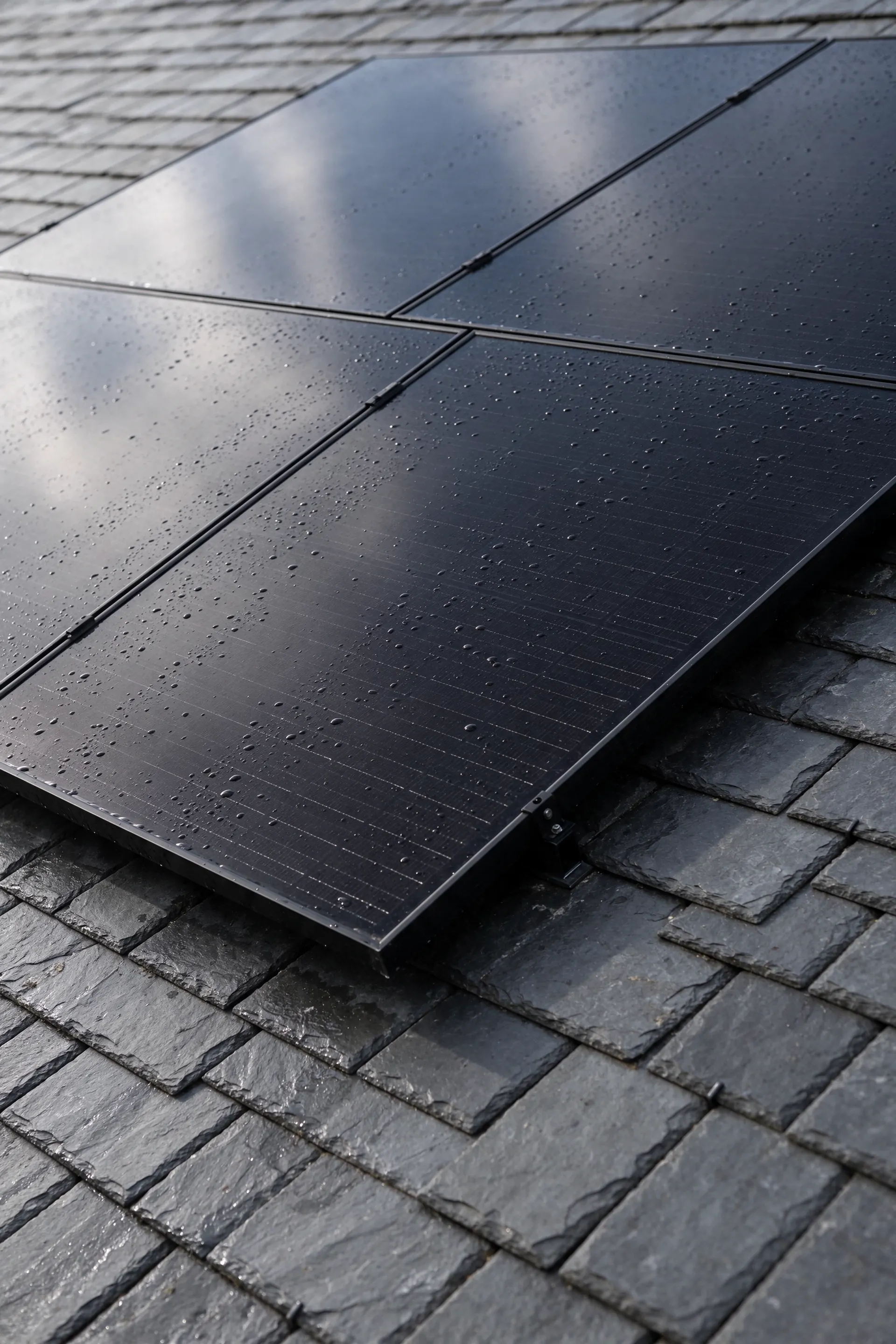
A common misconception is that solar panels need cloudless blue skies to generate. In reality, photovoltaic panels produce electricity from daylight, and they generate usefully even under the diffuse light of an overcast Scottish sky. What matters more than bright sunshine is the total daylight across the year and the orientation and pitch of your roof.
Scotland\'s long summer days are a genuine advantage. In June and July a roof in Edinburgh or Glasgow can receive over 16 hours of daylight, which means a solar array can generate for longer each day than a comparable roof in southern England. Over a full year the yields are lower than the south coast, but they are comfortably worthwhile for most homes.
Under the industry methodology used to estimate generation, a south-facing roof in Scotland typically yields in the region of 700 to 810 kWh per kWp of installed capacity each year. A survey models your specific roof, accounting for orientation, pitch, and any shading from chimneys, trees, or neighbouring buildings.
Suitability
Is your roof suitable for solar?
A south-facing roof is ideal, but east- and west-facing roofs are also productive and often make sense because they generate more in the morning and evening respectively, which can match when a household actually uses electricity. A roof pitch of around 30 to 40 degrees is typical for Scottish homes and works well for generation.
Shading is the factor that most often limits output. A chimney, a neighbouring building, or a tall tree can cast a shadow that reduces generation across the whole string of panels. Microinverters or optimisers can mitigate shading by letting each panel operate independently, so one shaded panel does not drag down the rest of the array.
The structural condition of the roof also matters. Older roofs may need a quick check of the rafters and felt before panels are mounted, and any re-roofing or scaffold work is best done before rather than after the panels go up. The survey covers orientation, pitch, shading, and structural suitability in a single visit.
Working Together
Solar alongside a heat pump or battery
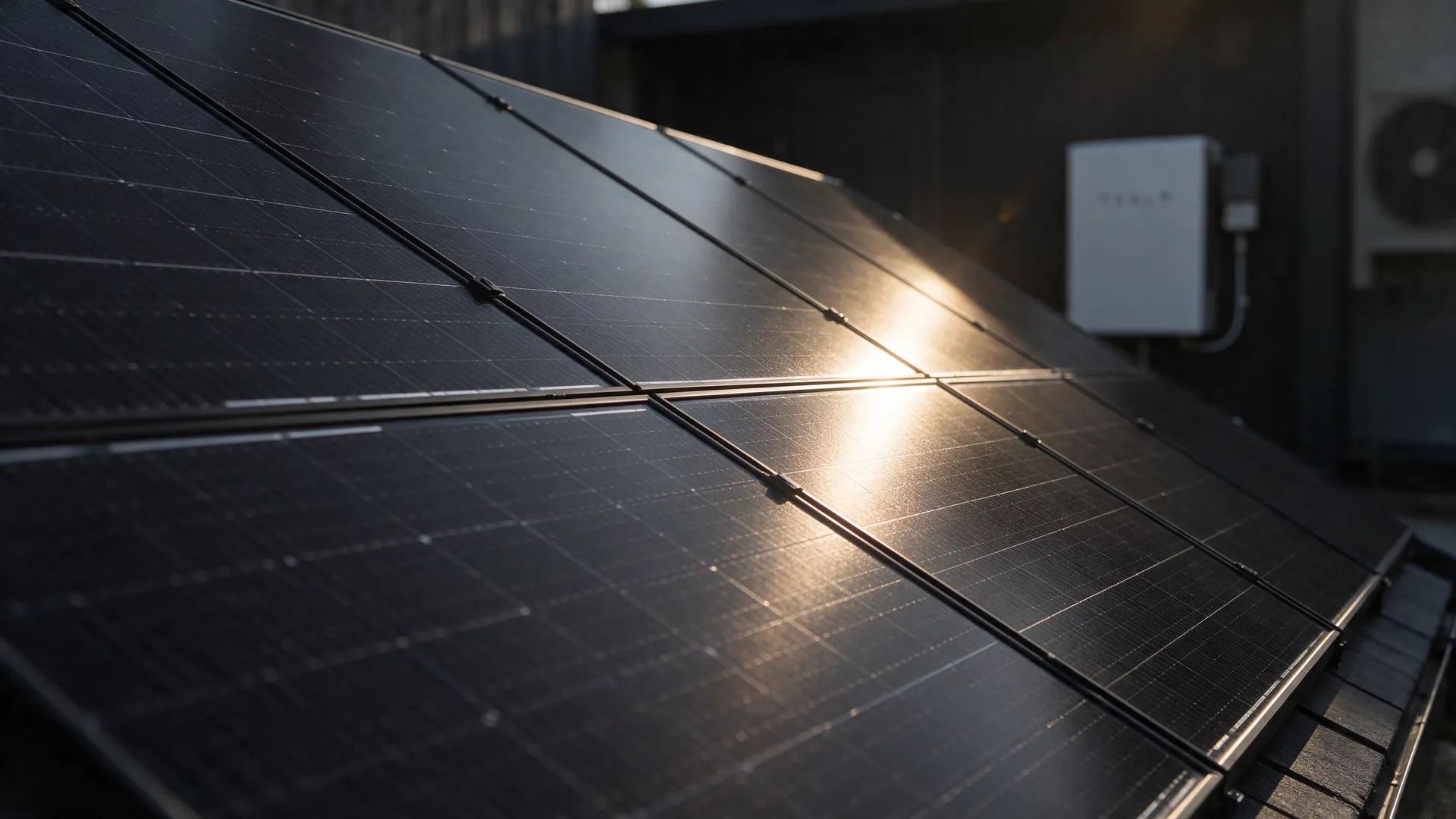
Solar panels are most valuable when they work alongside other systems rather than in isolation. During the day, your generation can run household appliances, charge a battery, or power an air source heat pump that is heating your hot water cylinder. Each of these uses more of your own generation and reduces what you draw from the grid.
A battery extends the benefit into the evening. Instead of exporting surplus generation for a modest tariff, the battery stores it so the home runs on stored solar after sunset. With a time-of-use electricity tariff, the same battery can also charge on cheaper overnight electricity and discharge during the peak, which is known as load shifting.
If you are also replacing a boiler, bundling solar with a heat pump can make the overall running costs particularly attractive, because the solar generation directly offsets the electricity the heat pump uses. We install through certified partners so the generation, storage, and heating elements are designed to work as a single system. To explore the full combination, arrange a survey.
Questions
Frequently asked questions
Yes. Solar panels generate from daylight, not direct sunshine, so they produce useful electricity even on overcast days. Scotland receives plenty of daylight across the year, and longer summer days mean generation can be substantial. A south-facing roof in Scotland can generate a meaningful annual yield, with east- and west-facing roofs still productive.
Wondering whether solar suits your roof?
Call us for an honest assessment and a survey tailored to your home. We install through certified partners across Scotland.
Related guides
What should you read next?
Last updated: 11 November 2026
Reviewed by the Scottish Energy Efficiency team